
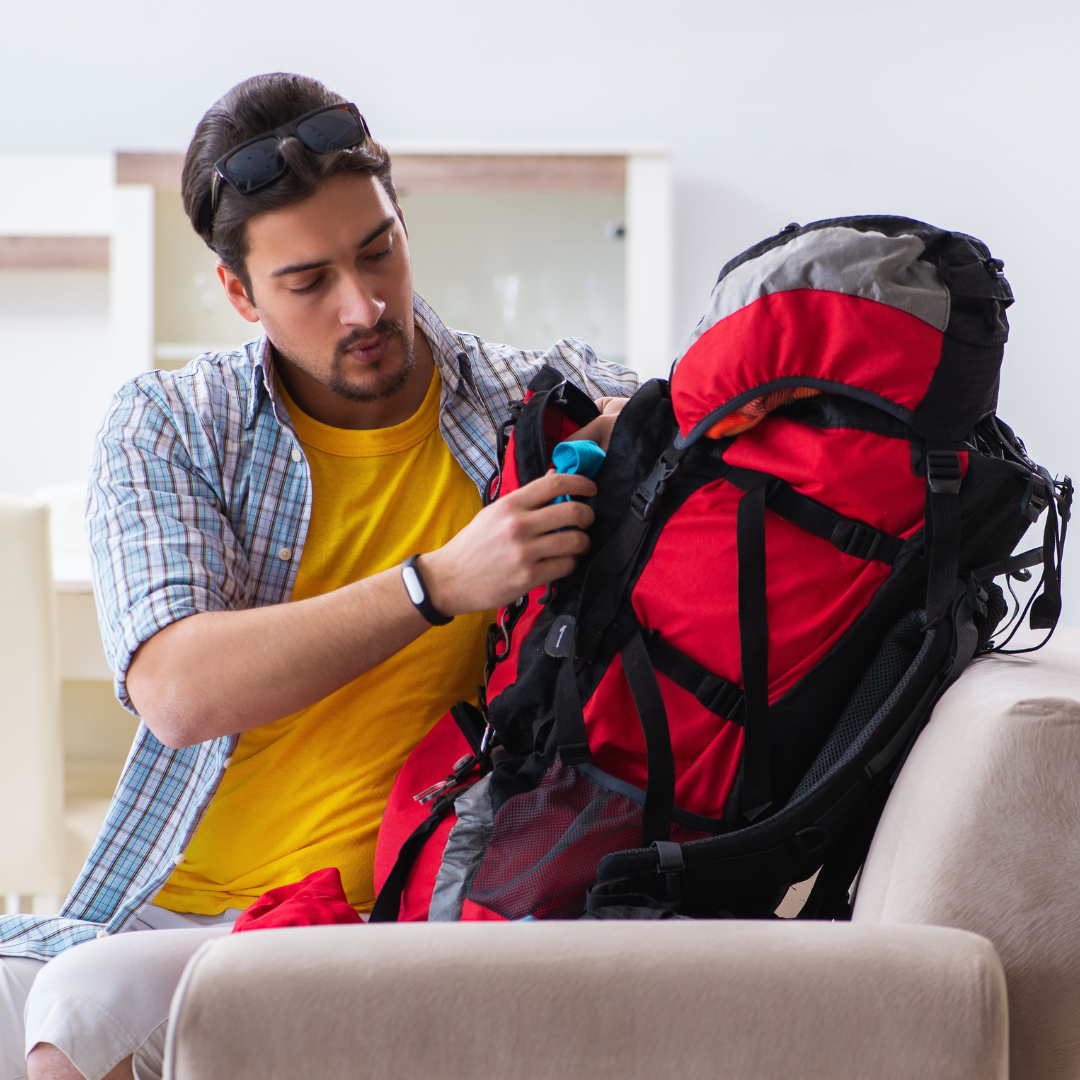
How to Avoid Overpacking for Short Trips: Essential Tips for Efficient Travel
Packing for a short trip can often lead to the temptation of overpacking, where travelers bring more than they actually need. To avoid this common mistake, it’s essential to plan outfits in advance and choose versatile clothing that can be mixed and matched. This approach not only saves space but also minimizes the stress of carrying heavy baggage.
Travelers can streamline their packing by focusing on essentials. Creating a checklist helps prioritize necessary items, ensuring forgotten essentials don’t occur while avoiding unnecessary extras. Each item should earn its place in the bag, reflecting its usefulness for the trip.
Additionally, employing space-saving techniques, such as rolling clothes or using packing cubes, can enhance the packing process. By keeping the bag organized, it becomes easier to see what’s packed and reduces the likelihood of adding superfluous items at the last minute.
Understanding Overpacking and Its Challenges
Overpacking is a common issue that can lead to unnecessary stress and inconvenience during short trips. Identifying the reasons behind overpacking and understanding its challenges can help travelers pack more effectively and enjoy their travels.
Why Travelers Overpack for Short Trips
Travelers often overpack due to a fear of forgetting essentials or a desire to be prepared for any situation. This mindset can lead them to include items that may not be needed at all. Additionally, the abundance of travel advice and packing lists can overwhelm them, causing them to add extra clothing or gear “just in case.”
Emotional factors also play a role; sentimentality attached to certain items may push someone to bring them along, even if they take up unnecessary space. As a result, the bags become heavier, the packing process lengthens, and the travel experience turns into a logistical challenge.
Common Overpacking Pitfalls to Avoid
Several common pitfalls can lead to overpacking and should be avoided to streamline the packing process.
- Packing for Every Possible Scenario: Anticipating scenarios that may never occur can lead to unnecessary items. Instead, focus on versatile clothing that can serve multiple purposes.
- Ignoring the Destination’s Climate: Not researching the weather may lead to packing inappropriate clothing, thus causing excess baggage.
- Duplicating Items: Bringing multiple pairs of shoes or similar outfits can add significant weight. A good strategy is to limit oneself to a small selection of versatile pieces.
- Overestimating Needs: Travelers might assume they need more outfits or toiletries than they actually do. A carefully curated list can assist in preventing this mistake.
Consequences of Excess Baggage
Overpacking has several tangible consequences. Firstly, it can lead to increased baggage fees, particularly on budget airlines that charge for checked luggage.
Additionally, carrying heavier bags can result in physical strain, causing discomfort during travel. Navigating airports, train stations, or busy streets becomes challenging with cumbersome luggage.
Furthermore, excess baggage can detract from the overall travel experience. It may limit mobility and flexibility, making it harder to explore destinations spontaneously. Choosing to pack lighter promotes a more enjoyable and stress-free journey.
Proven Strategies to Avoid Overpacking
Effective packing involves planning and organization. By employing specific strategies, travelers can minimize the risk of bringing too much while ensuring they have everything they need for short trips.
Creating and Sticking to a Packing List
A packing list is essential for efficient travel packing. It helps identify necessary items and prevents last-minute additions.
- Categorize Items: Break down the list into categories like clothing, toiletries, and electronics. This provides a clear view of what’s essential.
- Limit the Number: For clothing, suggest a range of 3-5 shirts, 2-3 pairs of pants, and 1-2 pairs of shoes. This limits excess while ensuring versatility.
- Review and Edit: Before finalizing, review the list to eliminate less critical items. Remove anything that won’t be absolutely needed.
Sticking to the list while packing creates discipline, reducing overpacking.
Limiting Luggage Size and Choosing a Carry-On Bag
Selecting the right luggage size is crucial. Opt for a carry-on bag that meets airline baggage allowance restrictions.
- Carry-On Dimensions: Most airlines allow carry-ons of about 22″ x 14″ x 9″. This size typically accommodates essentials without encouraging excess.
- Multi-Use Items: Choose versatile clothing pieces that can be mixed and matched. Opt for a pair of shoes that suits various occasions.
- Carry-On Features: Look for lightweight options with multiple compartments. This makes it easier to organize items, encouraging you to limit what you take.
Maintaining this standard ensures packing stays concise and manageable.
Utilizing Packing Cubes for Organization
Packing cubes enhance organization by compartmentalizing clothing and accessories.
- Categorize with Cubes: Assign each cube a specific category, such as shirts, pants, or undergarments. This clarity helps remember what has been packed.
- Maximize Space: Packing cubes facilitate efficient use of space. They can be compressed, allowing more items to fit without increasing bulk.
- Easy Access: When unpacking, cubes make it simple to find what is needed quickly without rummaging through the entire bag.
Using packing cubes not only organizes items but also motivates travelers to pack only what fits in the designated space.
Packing Smart: Streamline Your Essentials
Efficient packing requires a strategic approach to streamline essential items. Choosing the right clothing and packing techniques can significantly reduce the chances of overpacking while ensuring everything needed fits comfortably in a small bag.
Building a Capsule Wardrobe
Creating a capsule wardrobe is vital for short trips. It involves selecting a limited number of versatile clothing pieces that can be mixed and matched. Choose items that coordinate well together, such as neutral colors and complementary styles.
For instance, three pairs of bottoms and five tops can create multiple outfit combinations. Include a light jacket or sweater for layering, and ensure shoes are comfortable yet stylish to pair with different outfits. This strategic selection helps avoid excess baggage while offering fashionable choices.
Maximizing Versatility With Quick-Dry Fabrics and Scarves
Quick-dry fabrics can enhance packing efficiency. These materials dry faster after washing, allowing for easy refreshing during trips. When selecting clothing, consider options like moisture-wicking shirts or lightweight pants.
Additionally, incorporating scarves into the packing list increases versatility. A single scarf can serve multiple purposes: it may act as a fashion accessory, a blanket, or even a makeshift pillow. Choosing quick-dry and multi-functional items allows for a streamlined packing experience without losing style or utility.
The Rolling Method and Other Efficient Packing Techniques
Adopting the rolling method can save space in luggage. This technique involves rolling clothes tightly to minimize wrinkles and maximize packing efficiency. Each rolled item takes up less space than folded clothing.
Combine this method with packing cubes to keep the bag organized. Using smaller compartments makes it easier to find items without disrupting the entire packing setup. It’s a great way to keep similar items together while maintaining an organized suitcase.
Minimizing Toiletries and Travel Accessories
Toiletries can often take up too much space. She should prioritize travel-size products or consider refilling smaller containers with essential items. Items such as shampoo, conditioner, and body wash can often be found at accommodations, reducing the need to pack.
When selecting travel accessories, limit choices to only what is necessary. Prioritize:
- Electronics: Choose a single device that serves multiple functions, like a phone that also acts as a camera.
- Chargers: Carry a multi-port charger instead of individual chargers for each device.
This approach helps keep packing light without sacrificing essentials.
Final Checks and Expert Tips for Traveling Light
Before heading out, making essential checks and implementing expert strategies ensures that packing light remains manageable and practical. These tips help streamline the packing process and ensure readiness for any short trip.
Weighing Your Luggage With a Digital Luggage Scale
Using a digital luggage scale is crucial for avoiding unexpected weight issues at the airport. It allows travelers to confirm that their bags comply with airline restrictions. Weigh the luggage after packing, checking both carry-ons and checked bags.
A scale usually provides accurate readings in pounds or kilograms. This extra step prevents excess baggage fees. To minimize weight, consider packing only essentials or choosing lightweight travel gear.
Leaving Room for Souvenirs and Flexibility
When planning a short trip, it’s wise to leave some room in the luggage for souvenirs or unplanned purchases. This approach prevents the need to repack or leave behind personal items if the bag becomes too full.
Travelers should allocate about 10-20% of their luggage capacity for this purpose. This flexibility can also simplify transitioning between various activities during the trip. Packing collapsible bags or an extra tote can be beneficial for bringing back items.
Adapting Packing Habits for Different Destinations
Travelers should consider the destination’s climate, culture, and activities when packing. For warmer areas, lightweight clothing is essential, while cooler destinations might require layering options.
It’s also useful to research local customs regarding clothing. This knowledge helps ensure appropriate attire and minimizes unnecessary items in the luggage. Creating a packing list tailored to specific trips can enhance efficiency, leading to lighter travel overall.


You May Also Like

Why These Kid-Friendly Countries Should Be on Your Travel Bucket List

5 Things to Do Before Every Trip